New Investigators join Stowers Institute for Medical Research
Scientists recruited from MIT, NYU, and Princeton
03 May 2023
KANSAS CITY, MO—May 3, 2023—The Stowers Institute for Medical Research announced the appointment of three principal investigators to further expand its team of scientists who seek to answer life’s biggest mysteries through foundational research. Siva Sankari, Ph.D., from Massachusetts Institute for Technology, Neşet Özel, Ph.D., from New York University, and Ameya Mashruwala, Ph.D., from Princeton University, will join the Institute’s current team of 17 principal investigators and staff of 500. The addition of these scientists will result in a total of 20 research labs at the Stowers Institute.
“Recruitment of these three individuals further expands the status of the Stowers Institute and Kansas City as a life sciences powerhouse in the Midwest. It proves there is a strong investment in advancing scientific research in the heart of the country,” said Executive Director and Chief Scientific Officer of the Stowers Institute Alejandro Sánchez Alvarado, Ph.D.
“We are thrilled to welcome these new investigators to the Institute. Each is highly regarded, daring to ask important, yet risky, questions that show great promise in yielding impactful results.”
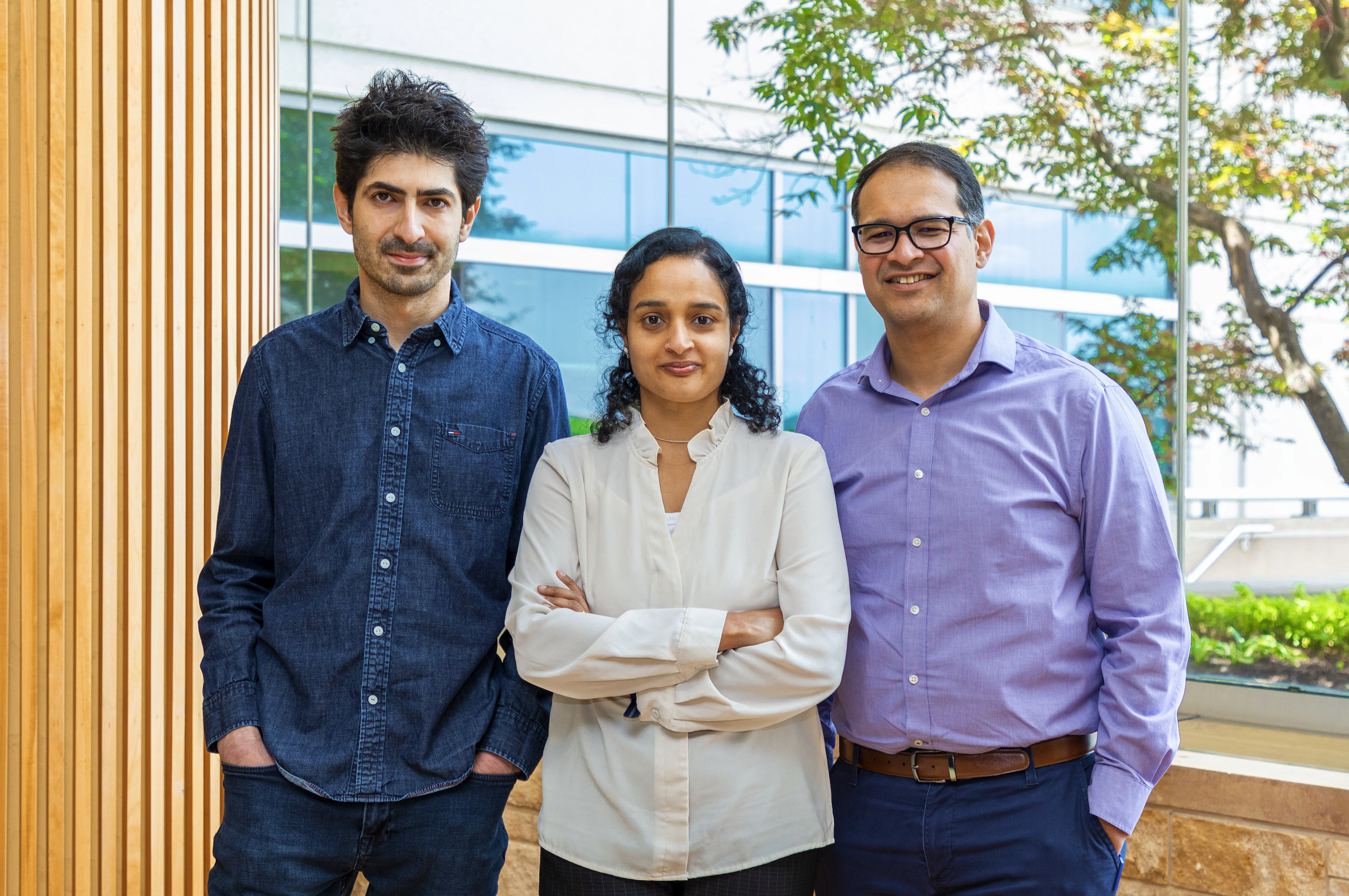
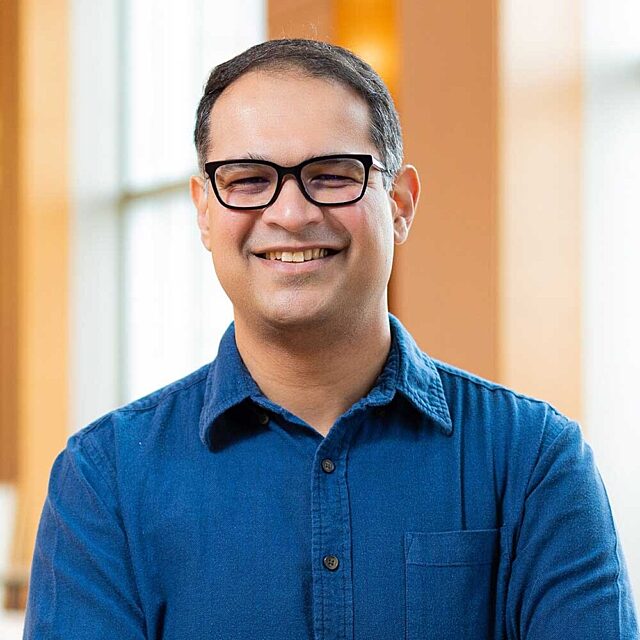
Pictured from left to right: Neşet Özel, Ph.D., Siva Sankari, Ph.D., and Ameya Mashruwala, Ph.D.
Siva Sankari, Ph.D., officially joined the Stowers Institute as an Assistant Investigator May 1, 2023. The Sankari Lab seeks to uncover the mechanisms of action of host-secreted peptides that provide important clues to decipher the fundamental biology of host-microbe interactions. She explores how animals and plants harness microbes for their own benefit.
“As a woman in science hailing from a small town, I understand the social and mental barriers faced by many aspiring students toward building a scientific career,” said Sankari. “To actively break these barriers, I have coordinated programs and given many seminars across many parts of rural India to increase awareness and encourage students to pursue science as their career.”
Sankari added, “The highly interdisciplinary, collaborative structure of the Stowers Institute is an ideal place to answer my complex research questions. I am looking forward to continuing my mission of making impactful scientific advancements while encouraging others that they can do the same.”
Neşet Özel, Ph.D., will join the Institute as an Assistant Investigator on November 1, 2023. His research integrates developmental neurobiology with systems biology and gene regulation, with the goal of understanding brain wiring. The Özel Lab will explore how the genome encodes and instructs the formation of circuits containing thousands of different types of neurons connected in highly stereotyped patterns. Fundamental insights generated by their research will help to improve the ability to alter neuronal identity and connectivity in predictable ways.
“The Özel Lab at the Stowers Institute will be an interdisciplinary team of computational and experimental biologists, working together with the singular goal of understanding brain development,” Özel said. “We are a question-driven lab that does not hesitate to explore and adopt a wide range of cutting-edge tools and methods to address the most challenging aspects of this overarching goal.”
Ameya Mashruwala, Ph.D., will join the Stowers Institute in January 2024. His group seeks to understand social behaviors and community development in bacteria. Their research will focus on regulated cell death, a newly discovered bacterial collective trait. This behavior remains mysterious in bacteria, unlike in multicellular organisms where it is well understood and aids in organismal development. By revealing fundamental principles, the Mashruwala Lab’s studies could guide eukaryotic cell death research as well as shape the design of a new class of antibiotics that exploits cell death vulnerabilities naturally encoded in bacteria to combat infectious diseases.
“Bacteria, working collectively, perform remarkable tasks that shape life on Earth. I am thrilled to join Stowers and lead a team that will seek to unravel how bacteria achieve these feats,” said Mashruwala. “Beyond the research, I am committed to mentoring young scientists and creating an inclusive work environment that empowers them. I envision a work environment that fosters a free exchange of ideas, is diverse, and that stimulates innovative research. I am excited to collaborate with my team at Stowers to achieve these goals.”
“The recruitment of these investigators further enhances the Institute’s commitment to attract top scientists in their fields,” said Kausik Si, Ph.D., Scientific Director of the Stowers Institute. “It also builds upon the mission of the Institute’s founders, Jim and Virginia Stowers, to openly pursue and discover the secrets of life through transformative science and accelerate our understanding of human health and disease.”
“I am confident that the addition of these scientists and their research at Stowers will be a benefit to the scientific community at large,” said Sánchez Alvarado. “I am eager to witness the findings that will come from the labs of these innovative and remarkable scientists.”
More about Siva Sankari, Ph.D.
Siva Sankari, Ph.D., originally from India, comes to the Stowers Institute after completing her Ph.D. in biochemistry in the lab of Mark O’Brian, Ph.D., at the State University of New York at Buffalo and postdoctoral research in the lab of Graham Walker, Ph.D., at Massachusetts Institute of Technology.
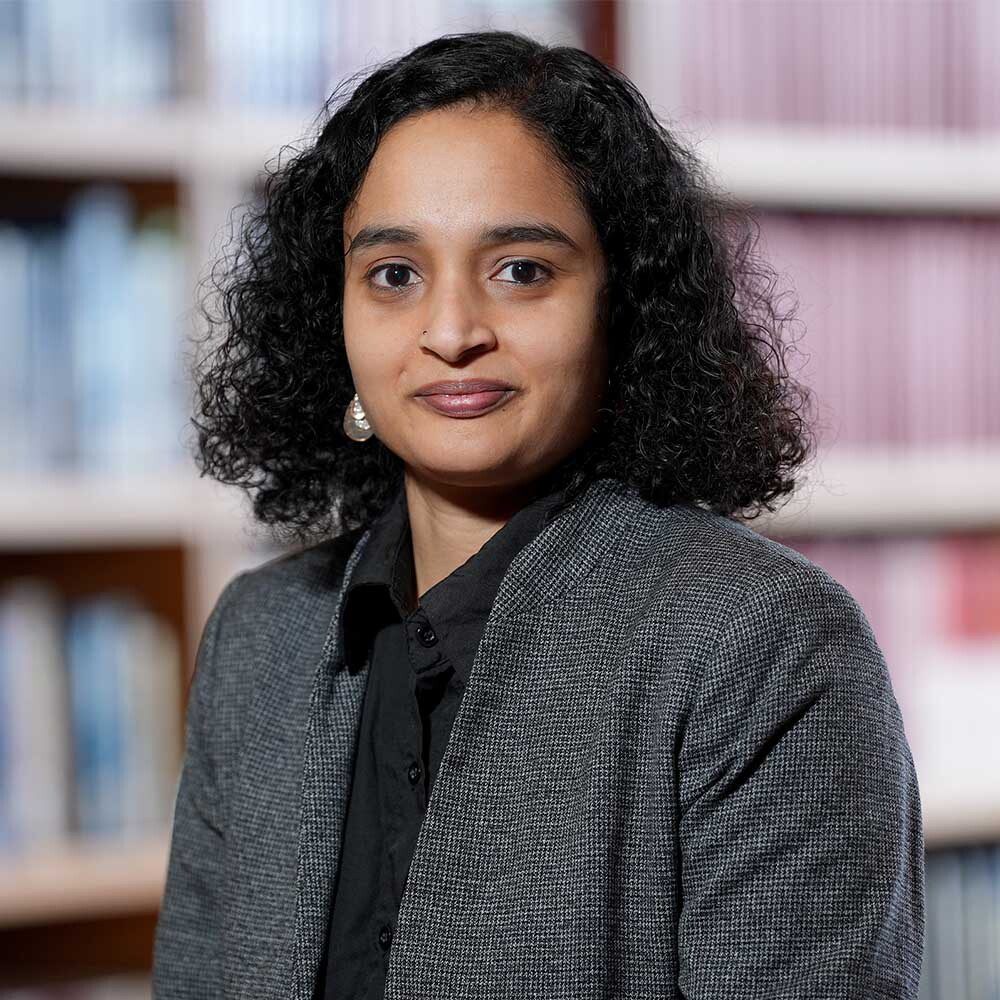
Siva Sankari, Ph.D.
Sankari’s research program focuses on one of the enduring mysteries of life: how animals and plants harness microbes for their own benefit. It was previously known that legumes provide shelter and nutrients to the microbes in special compartments of their root systems. In return, the microbes fix nitrogen for the plant. Sankari has discovered that some legumes using small molecules called peptides trick the microbes’ own regulatory pathways and turn them into tiny nitrogen-fixing factories.
The plant produces hundreds of peptides and Sankari has unveiled the first detailed molecular mechanism of one of these. Investigating these bioactive peptides has the potential to uncover a yet unknown universe of host-microbe interaction. The Sankari Lab will work on understanding the mechanism of how these peptides act and discovering natural peptides that can be harnessed to benefit human health.
More About Neşet Özel, Ph.D.
Neşet Özel, Ph.D., originally from Turkey, joins the Stower Institute after completing his postdoctoral research program in the laboratory of Claude Desplan, Ph.D., at New York University. Özel’s works focuses on understanding how genetic information is translated into a functioning brain.
Neşet Özel, Ph.D.
He explores how the brain produces hundreds of different types of neurons and how the neurons know who they are, and with whom to talk. Studying the regions of the fruit fly brain that process visual information (known as the optic lobes), Özel has built an extensive atlas of the gene expression profiles associated with more than 200 neuronal types. He discovered a code of transcription factors that allowed him to efficiently and predictably change neuronal identity by manipulating this code.
Özel plans to develop tools to further define this system, achieving fine control of the neuronal identity code in fruit flies and beyond. His research program has the potential to change neurons at will, which can have profound impact in solving problems associated with loss of neurons.
More about Ameya Mashruwala, Ph.D.
Ameya Mashruwala, Ph.D., originally from India, is a bacterial biologist and geneticist who joins the Institute after completing a postdoctoral fellowship at Princeton University.
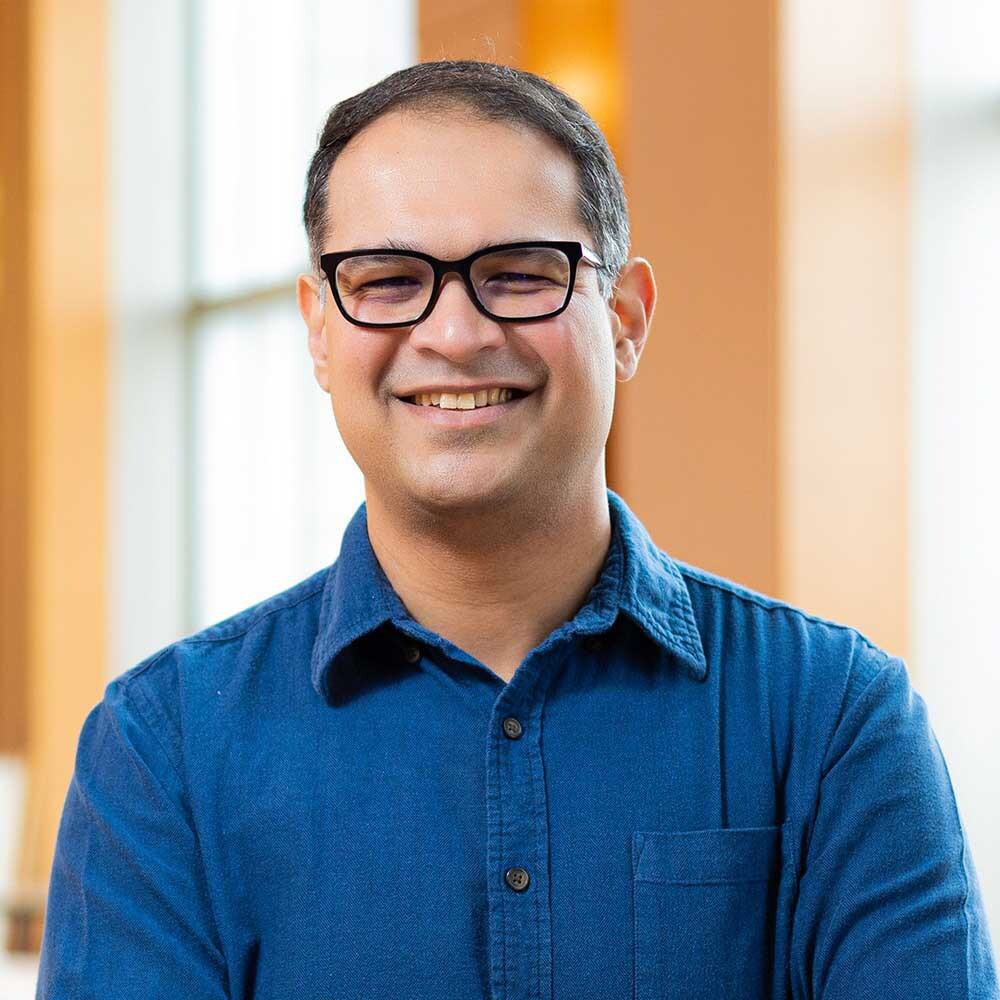
Ameya Mashruwala, Ph.D.
Mashruwala received his B.Sc. in chemistry from Fergusson College, India, before moving to the United States to pursue a M.S. in biochemistry at Utah State University, followed by a Ph.D. in microbial biology at Rutgers University. At Rutgers, Mashruwala became fascinated by the concept that bacteria can assemble into multicellular communities where they interact with each other and work together to accomplish feats beyond the capabilities of individual bacterial cells. This enables bacteria to shape life on Earth, from the atmosphere to geology to human health. This fascination with bacterial collectives led Mashruwala to pursue his postdoctoral studies at Princeton University with Bonnie Bassler, Ph.D., a pioneer in the study of quorum sensing and bacterial communities.
While at Princeton, Mashruwala discovered a new group trait in bacteria called regulated cell death. This behavior occurs in distinct patterns in space and time and resembles programmed cell death in multicellular organisms. This discovery suggests that bacterial communities may have developed programmed cell death mechanisms before eukaryotes. Mashruwala hopes that understanding this evolutionarily ancient behavior in bacteria will help reveal clues to guide studies of cell death in humans and uncover possibilities for new therapeutics to improve human health.
About the Stowers Institute for Medical Research
Founded in 1994 through the generosity of Jim Stowers, founder of American Century Investments, and his wife, Virginia, the Stowers Institute for Medical Research is a non-profit, biomedical research organization with a focus on foundational research. Its mission is to expand our understanding of the secrets of life and improve life’s quality through innovative approaches to the causes, treatment, and prevention of diseases.
The Institute consists of 20 independent research programs. Of the approximately 500 members, over 370 are scientific staff that include principal investigators, technology center directors, postdoctoral scientists, graduate students, and technical support staff. Learn more about the Institute at www.stowers.org and about its graduate program at www.stowers.org/gradschool.
Media Contact: Joe Chiodo, Head of Media Relations 724.462.8529 press@stowers.org