News
19 May 2026
Leukemia’s hiding places
For Stowers Investigator Linheng Li, Ph.D., a new leukemia study builds on a career spent asking how the places stem cells call home can shape health, disease, and future treatments
Read Article
News
By stepping into classrooms and community programs, Stowers postdocs strengthen their ability to translate complex science.
Ian Freed, Ph.D., discusses teaching and mentorship opportunities available to him as a postdoctoral researcher at the Stowers Institute.
The best part of teaching, Ian Freed, Ph.D., says, is the moment a student’s expression changes, and a difficult idea suddenly makes sense. “What I really enjoy is seeing that ‘click’ when a student first understands a new concept, and I was the person that explained it.”
Freed is a Postdoctoral Research Associate in the lab of Stowers Investigator Linheng Li, Ph.D. During his graduate training, he used microfluidic technologies to study circulating tumor cells in pancreatic cancer and helped develop a tool that “double-checks” leukemia cells by using one technique to highlight key proteins and another to spot changes in the cells’ genes, all in the same sample.

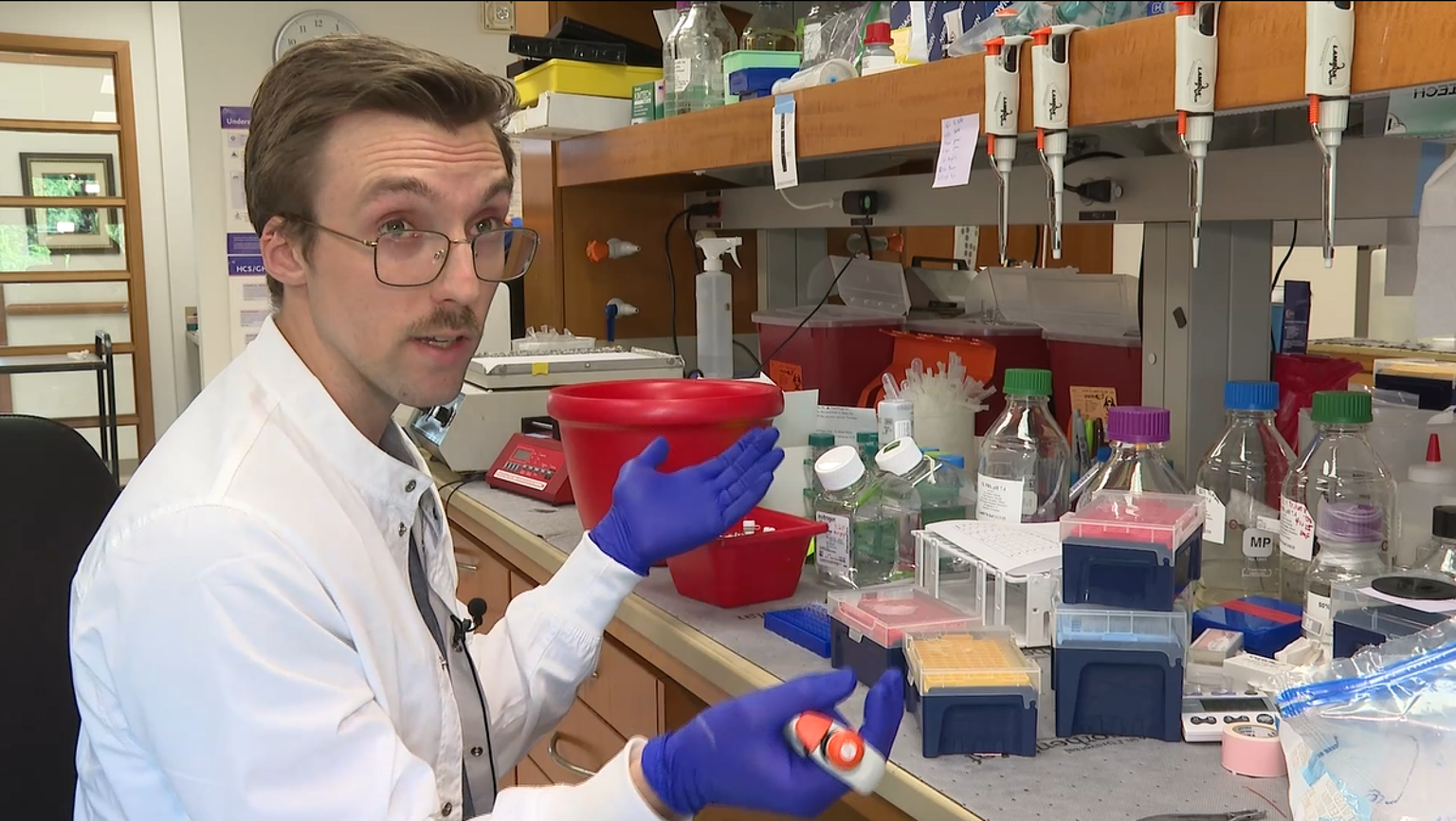
Freed recently appeared on KSHB 41 NBC discussing his research in the Li Lab related to cancer. Watch the segment here.
“I love connecting complex biology to real-world impact,” he explained. At the Institute, he’s currently interested in how mucus and the cells that produce it influence the immune system through the gut.
Postdoctoral researchers, including Freed, are encouraged to find ways to take their science into the real world as well. Many visit classrooms, help teach summer programs, and participate in community science events.
Freed has served as a mentor for the Stowers Summer Scholars Program twice, guiding undergraduate students through eight-week lab projects where students explore questions, read scientific literature, and perform hands-on laboratory research.

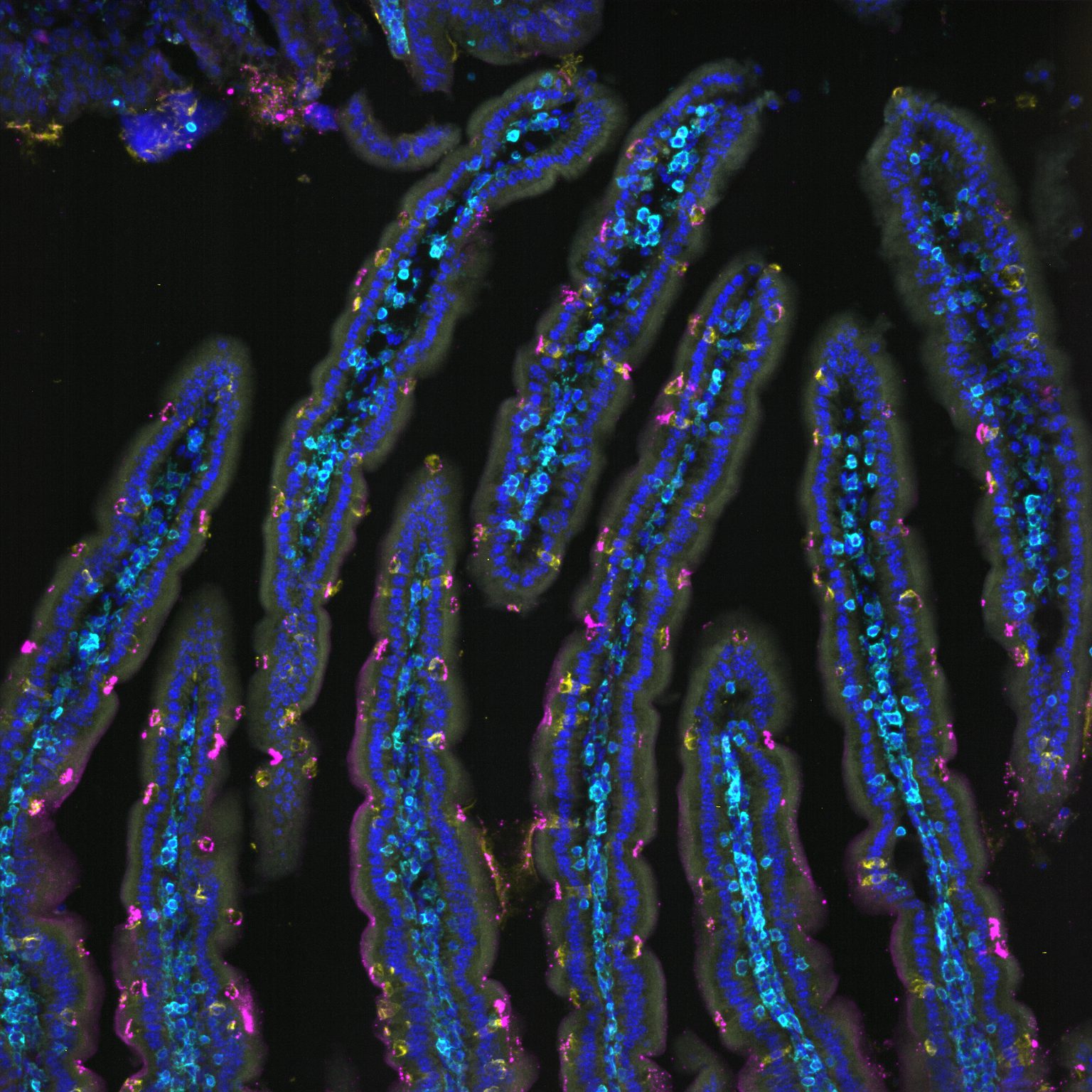

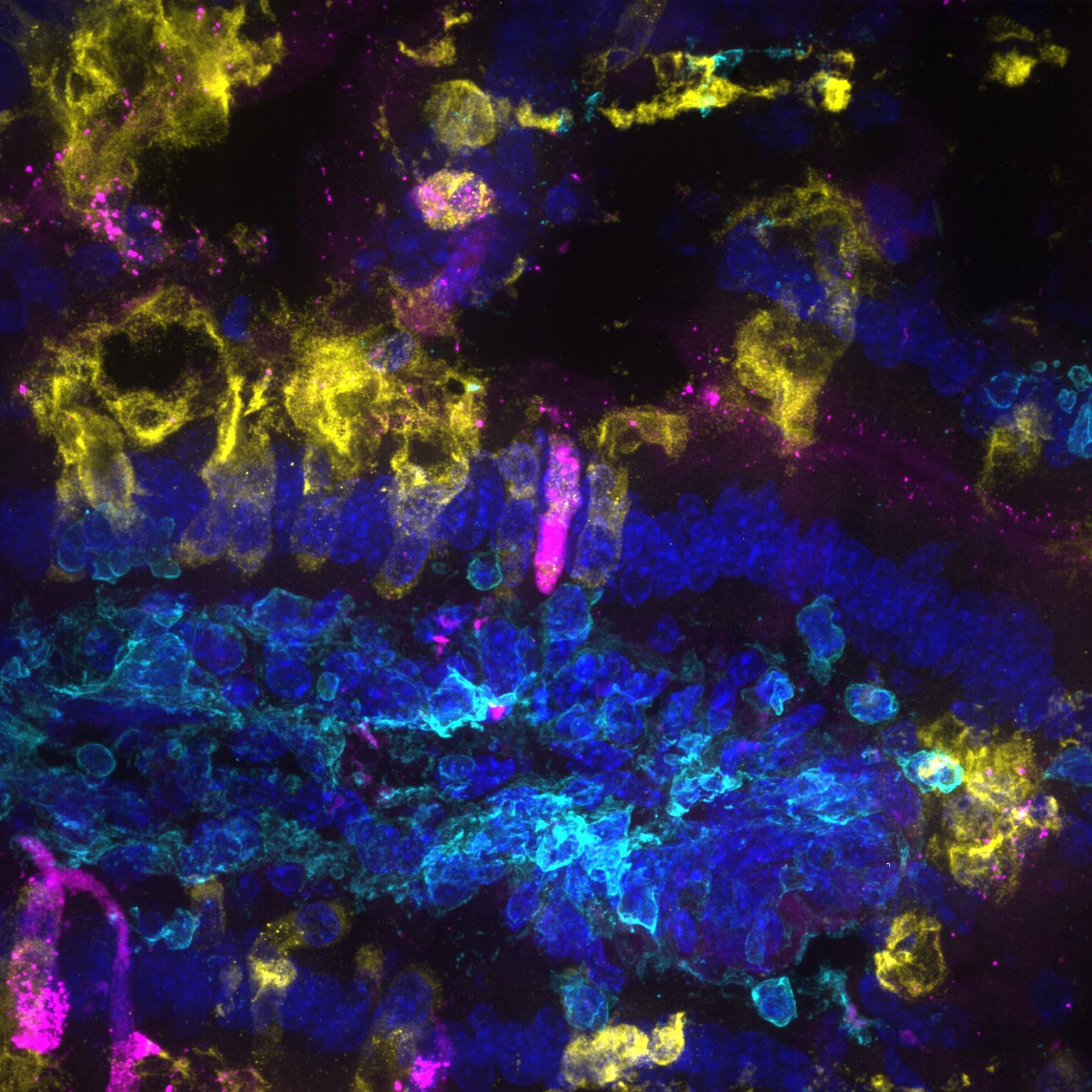

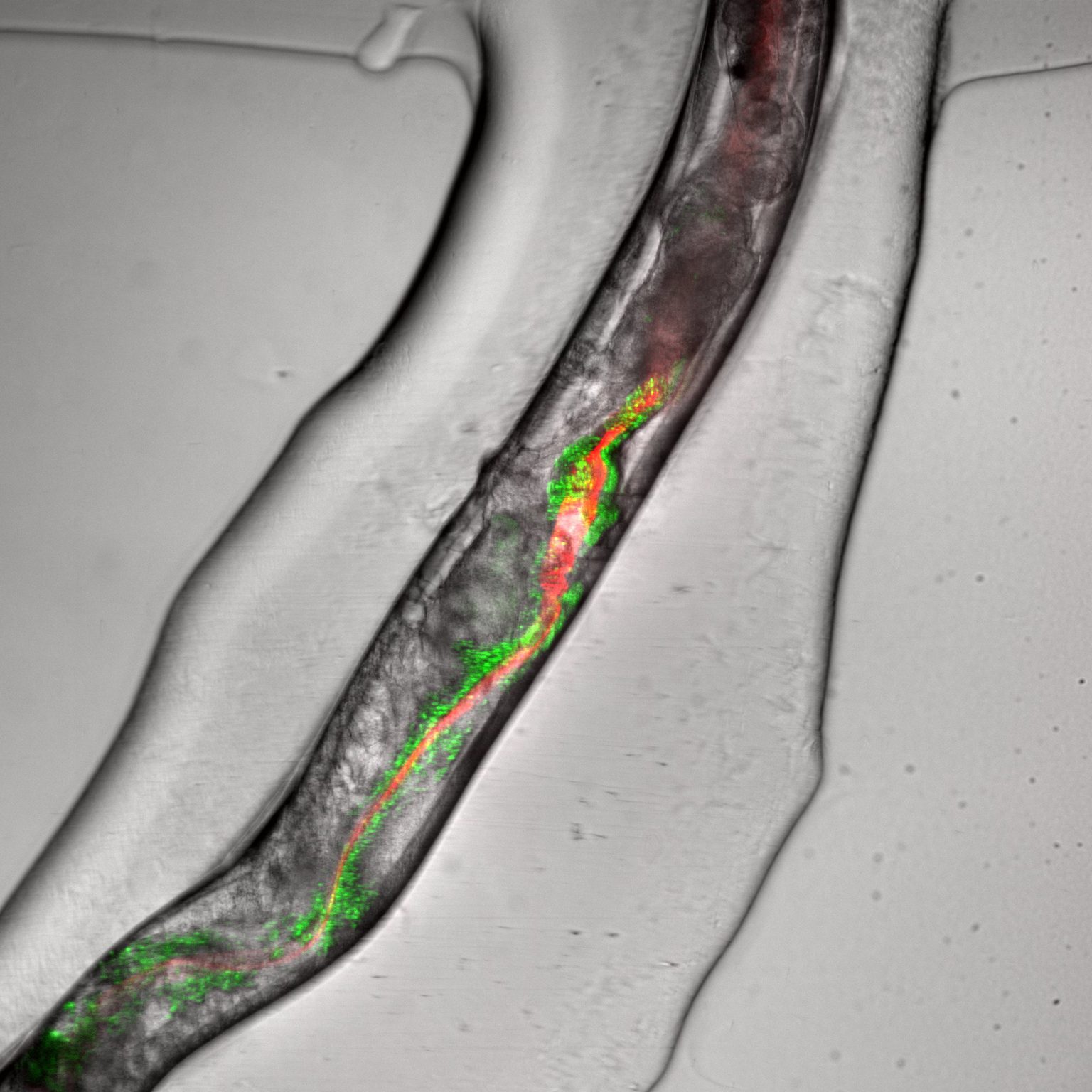
“Getting out into the community not only allows me to help others who are interested in pursuing science as a career. It’s also a really great chance for me to strengthen my own science communication skills,” he explained.

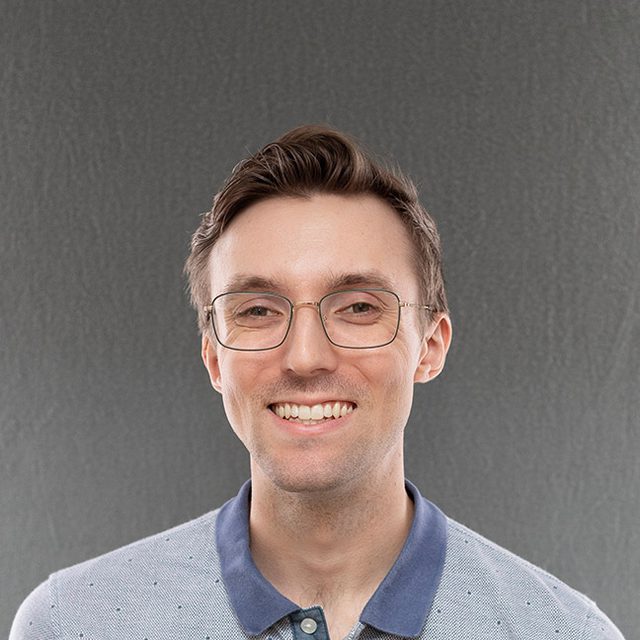
Ian Freed, Ph.D.
Freed has also taken his science into the Kansas City education system. He delivered a guest lecture at Rockhurst University, walking juniors and seniors through the realities of building a scientific career and volunteered as a judge for a high school poster session through the KC STEM alliance.
For early-career scientists considering their next step in academia, industry, or beyond, Freed believes teaching is a key part of career development. “It forces scientists to adapt explanations to different learners and to translate complex ideas for anyone,” he said.
“It’s such a benefit that the Institute and its faculty not only encourage postdocs to participate in outreach – they support us by making sure we are aware that such opportunities are available to us.”
Learn more about the Postdoc Community and PostdocEdge program at the Stowers Institute. You can check our careers page for open postdoc positions, or contact the lab you are interested in.
News
19 May 2026
For Stowers Investigator Linheng Li, Ph.D., a new leukemia study builds on a career spent asking how the places stem cells call home can shape health, disease, and future treatments
Read Article
News
13 February 2026
By stepping into classrooms and community programs, Stowers postdocs strengthen their ability to translate complex science.
Read Article