News
19 May 2026
Leukemia’s hiding places
For Stowers Investigator Linheng Li, Ph.D., a new leukemia study builds on a career spent asking how the places stem cells call home can shape health, disease, and future treatments
Read Article
News
For Stowers Investigator Linheng Li, Ph.D., a new leukemia study builds on a career spent asking how the places stem cells call home can shape health, disease, and future treatments
3D video image of mouse bone marrow containing blood-forming stem cells (magenta) and associated niche cells (yellow and green).
Cancer is often described as a disease of cells. But for decades, scientists like Stowers Institute Investigator Linheng Li, Ph.D., have been asking a different question: What if cancer is also a disease of place?
A new study published in Nature Cell Biology, co-authored by Li, brings that idea into sharper focus. The research shows that leukemia stem cells—the rare cells that sustain cancer and drive relapse—depend on highly specific locations within the bone marrow to survive. Rather than being spread evenly, these cells cluster in specialized regions that shape how they behave.


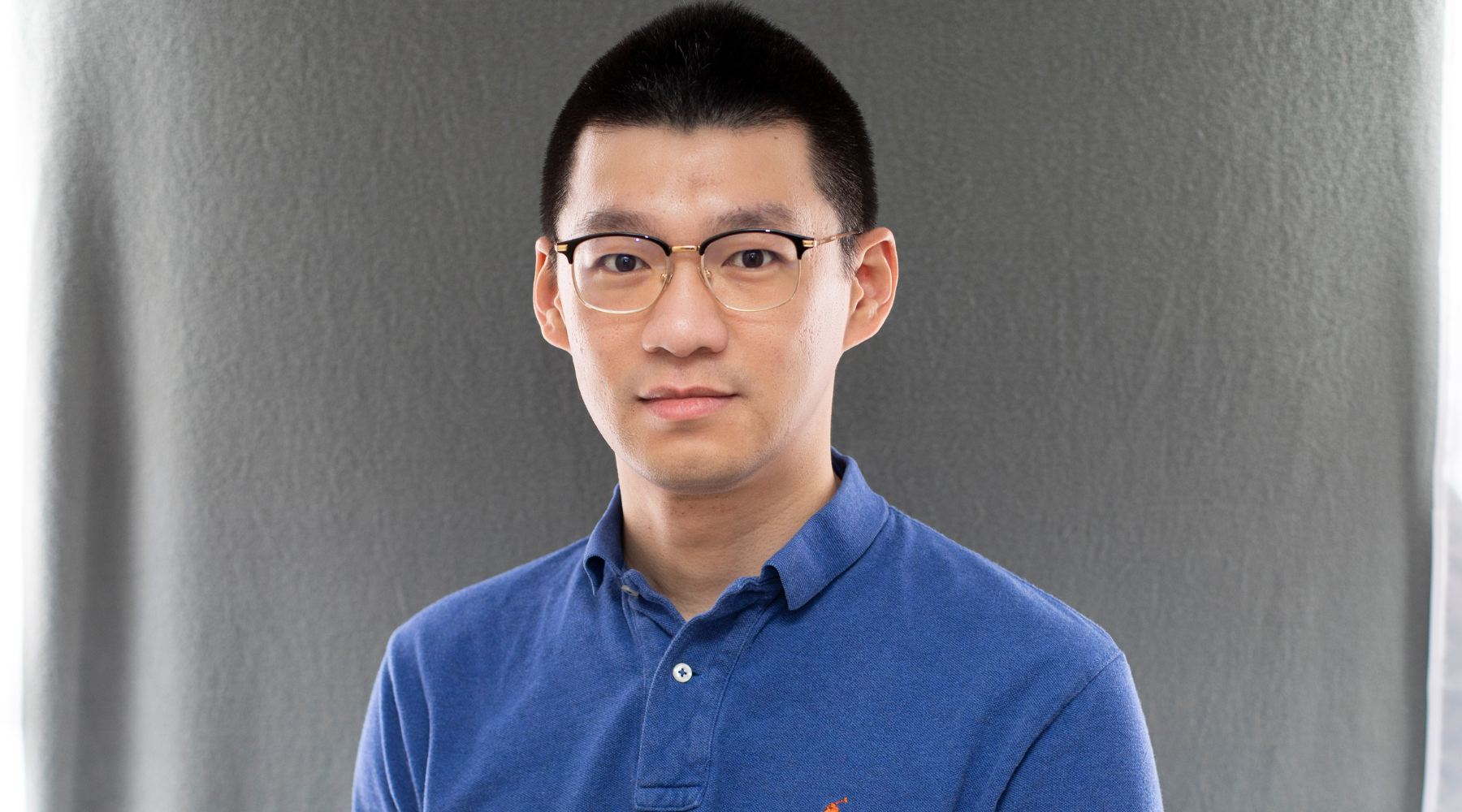
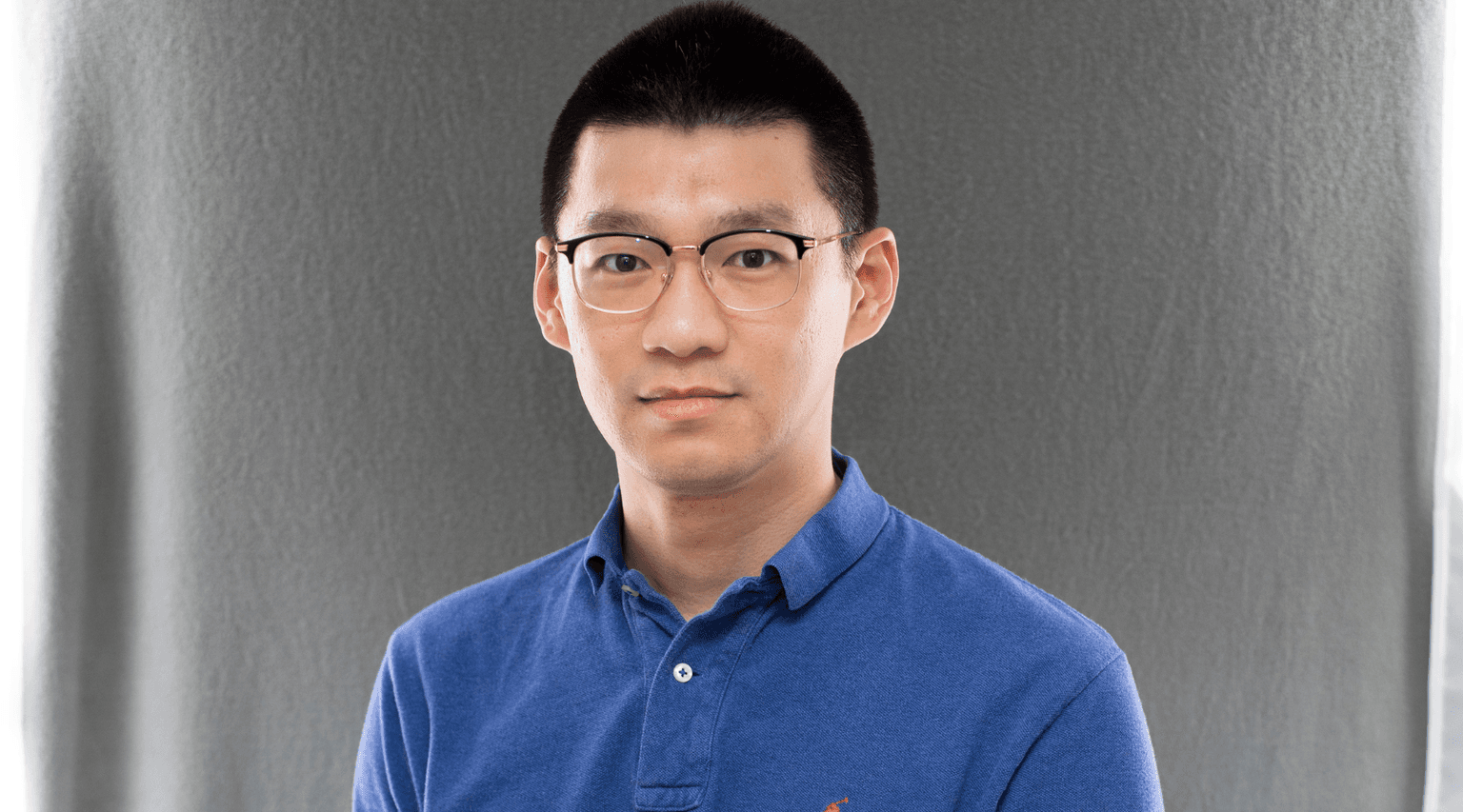
Stowers Institute Investigator Linheng Li, Ph.D.
Inside the bone marrow, an endosteal niche — which is a microenvironment critical for long-term stem cell maintenance and bone marrow regulation — sits along the inner surface of bone, where a network of supportive cells creates a kind of shelter. In this environment, leukemia stem cells enter a quiet, dormant state. That dormancy makes them difficult to eliminate, allowing them to survive treatments that target rapidly dividing cells and, over time, potentially reignite the disease.
“I am particularly excited about this work because it is the first study to demonstrate that the endosteal niche within the trabecular or inner bone area functions as a protective niche for leukemia stem cells,” Li said.


Image of mouse bone marrow containing blood-forming stem cells (magenta) and associated niche cells (yellow and green).
The study was led by XunLei Kang, Ph.D., at the University of Missouri, with Li contributing to the niche-theory framework and experimental models in mice that helped the team study how leukemia stem cells interact with the bone marrow environment. The findings show that leukemia stem cells gather in the metaphysis, a trabecular bone-rich region near the ends of long bones. In this region, supportive cells help create signals that hold the cancer stem cells in a protective environment.
When the researchers disrupted that signaling network, leukemia stem cells moved away from their protective niche, became more active, and were more vulnerable to treatment.
“This study provides strong evidence supporting two decades of research and publications in which we identified a key niche in the bone marrow and showed how cellular communication helps create environments that allow disease to grow and thrive,” Li said.


Images of mouse bone marrow after transplantation with leukemia cells either containing Dpp4 (left) or lacking Dpp4 (right). Green marks leukemia cells, red highlights blood vessels, and blue shows cell nuclei.
In a landmark 2003 Nature study, Li’s lab helped identify a specialized region in mouse bone marrow where blood-forming stem cells are anchored near the inner surface of bone. A 2009 Nature study further visualized how these stem cells find and settle within supportive zones of the bone marrow.
That region became known as the N-cadherin+ niche, named for a cell-adhesion protein found on key supporting cells in the niche. Subsequent studies from Li’s Lab helped establish that the N-cadherin-marked niche can act as a protective environment for normal blood-forming stem cells and, in disease, for cancerous ones.
“Normal stem cells have a home in the body, which we call the stem cell niche or microenvironment,” Li said. “Cancer stem cells also interact with their microenvironment, and those interactions can help protect them.”
The new study connects that earlier niche work to leukemia, showing that N-cadherin+ stromal cells help create the protective signals that allow leukemia stem cells to remain anchored in place.


Model illustrating blood stem cell niche with SNO cells as a key niche component. Microscopy image of SNO cells connecting to bone-forming cells (top right).
Because many cancers rely on supportive microenvironments, the implications extend beyond leukemia. Understanding how cells depend on and move through these spaces could reshape how therapies are designed.
“You have to understand the process first before you can think about how to control it or target it,” Li said.
For Li, that long-term view, shaped by decades of research in the lab, goes beyond scientific curiosity. It is also personal.
“Foundational research has already benefited patients with cancer,” he said. “I have seen it in my own family and among friends. New treatments that exist today came from years of basic research, and that gives me hope for what is still possible.”
The new study points to one possible path forward: to confront cancer more effectively, scientists may need to explore ways to alter the environments within the body that allow cancer stem cells to survive.
Learn more about the Li Lab here.
News
19 May 2026
For Stowers Investigator Linheng Li, Ph.D., a new leukemia study builds on a career spent asking how the places stem cells call home can shape health, disease, and future treatments
Read Article
News
13 February 2026
By stepping into classrooms and community programs, Stowers postdocs strengthen their ability to translate complex science.
Read Article
News
22 November 2024
Discovery offers potential therapeutic target for certain cancers
Read Article